How Environmental Volunteering Supports Costa Rica’s Natural Ecosystems
Why is environmental volunteering important in Costa Rica?
Costa Rica is recognized for its extraordinary biodiversity, tropical forests, coastal environments, and diverse wildlife habitats. Protecting these natural resources requires continuous awareness, responsible practices, and cooperation between communities and conservation organizations. For travelers interested in environmental responsibility, choosing to volunteer costa rica can provide opportunities to understand conservation challenges while participating in supervised activities that support ecological awareness and habitat protection.
What environmental projects can volunteers participate in?
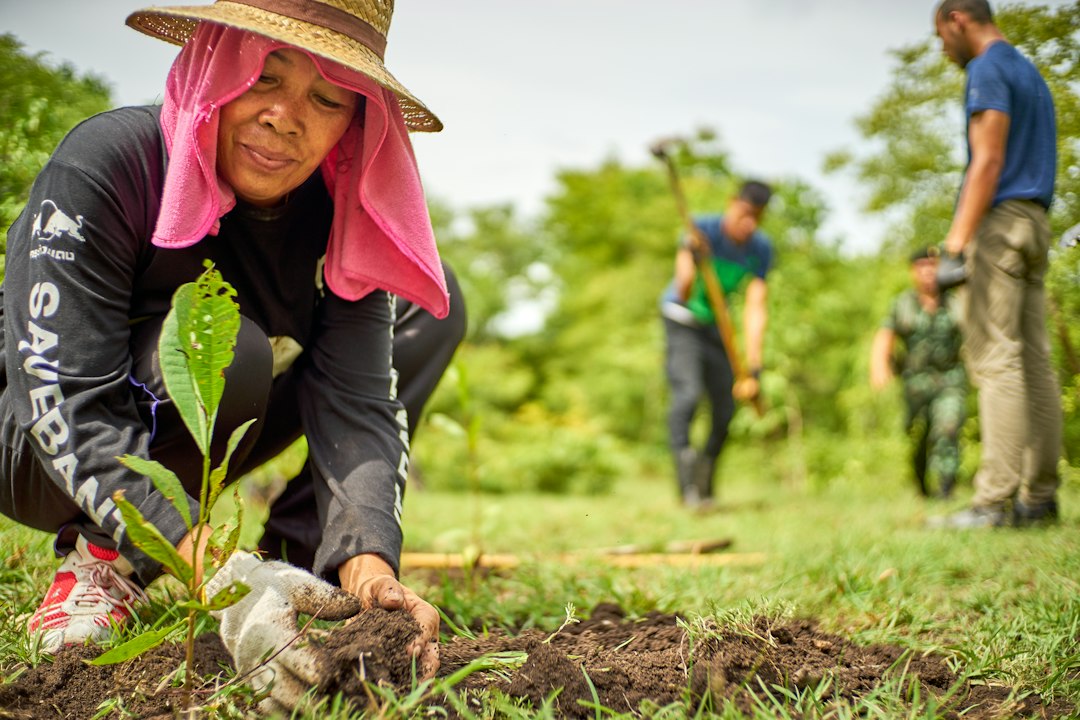
Environmental volunteering can involve several activities depending on regional priorities and project requirements. Some initiatives focus on maintaining natural spaces, removing waste from beaches, supporting reforestation activities, and educating communities about sustainable practices.
Wildlife-related projects may involve habitat monitoring, conservation education, or supervised assistance with research activities. Volunteers must follow professional guidance, particularly when working in sensitive ecosystems or areas inhabited by protected species.
How does biodiversity conservation benefit Costa Rica?
Biodiversity contributes to ecological stability and supports important natural processes. Forests provide habitats for wildlife, help regulate environmental conditions, and contribute to healthy soil and water systems.
Coastal ecosystems also play important roles in protecting shorelines and supporting marine life. Conservation activities help increase awareness of these relationships and encourage communities to protect natural resources for future generations.
Do volunteers need environmental experience?
Not every environmental volunteering opportunity requires previous experience. Many supervised projects welcome participants who are enthusiastic about learning, following instructions, and contributing responsibly.
However, specialized conservation activities may require scientific knowledge, technical skills, or professional qualifications. Applicants should understand project requirements before applying and avoid assuming that every activity is suitable for beginners.
How can volunteers practice sustainable living?
Environmental responsibility extends beyond organized project activities. Volunteers can reduce unnecessary waste, use reusable products, conserve water, and respect wildlife habitats.
Choosing responsible transportation and following local environmental guidelines can also reduce the impact of travel. Small daily decisions can reinforce the principles promoted by conservation initiatives.
What should volunteers understand about wildlife protection?
Wild animals should always be observed responsibly. Volunteers should avoid feeding, touching, or disturbing wildlife unless a qualified professional explicitly authorizes an activity.
Maintaining appropriate distances and following habitat protection rules are essential. Conservation work should prioritize animal welfare and ecological requirements rather than visitor entertainment.
How can environmental volunteering influence future generations?
Educational activities introduce communities and visitors to the importance of ecological responsibility. Volunteers can support awareness initiatives that encourage children, families, and local residents to understand environmental challenges.
Such experiences may also inspire participants to adopt sustainable habits after returning home. By combining practical involvement with environmental education, Costa Rica’s volunteer experiences can encourage a lasting appreciation of nature and responsible travel.
What You Need to Know
- Costa Rica is home to extraordinary biodiversity, tropical forests, and diverse wildlife habitats that require ongoing protection from conservation efforts.
- Volunteers in Costa Rica can engage in activities such as waste removal from beaches, reforestation, and community education on sustainable practices.
- Conservation efforts in Costa Rica enhance ecological stability, support natural processes, and help protect vital habitats for wildlife.
- Not all environmental volunteering roles necessitate prior experience; many projects welcome enthusiastic individuals eager to learn and contribute.
- Volunteers should always observe wildlife responsibly and avoid activities that might disturb animals without professional authorization.
- Environmental volunteering in Costa Rica can foster ecological awareness among communities, potentially inspiring sustainable habits in participants and their families.