How to Succeed with Nonprofit Direct Mail Fundraising
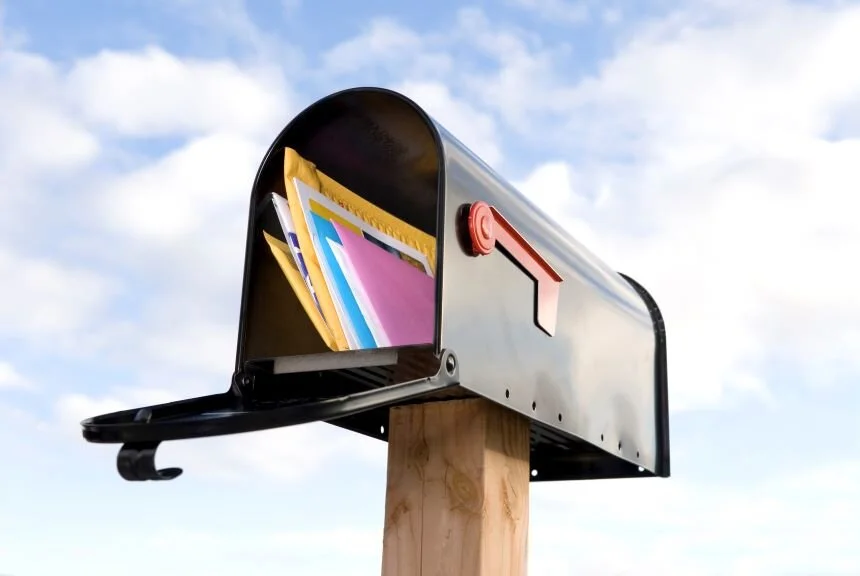
Nonprofit fundraising direct mail is still one of the most trusted and effective ways organizations connect with donors and raise money for their missions. Even in today’s digital world where people receive countless emails and online advertisements every day, direct mail continues to stand out because it feels more personal and meaningful. A printed letter placed directly into someone’s mailbox creates a stronger emotional connection than a message on a screen.
Nonprofit direct mail fundraising is the process of creating and sending printed fundraising materials to supporters and possible donors through the mail. These materials may include donation letters, newsletters, postcards, brochures, and response cards. Unlike online messages that can quickly be ignored or deleted, direct mail gives supporters something they can hold, read carefully, and remember.
Many nonprofits continue to use direct mail because it helps them build stronger relationships with donors. It allows organizations to tell real stories, explain their mission clearly, and encourage people to take action. Direct mail can also work together with online fundraising methods to increase donations and improve donor engagement.
Why Direct Mail Still Works Today
Some organizations believe direct mail is outdated because so much communication now happens online. However, studies continue to show that donors often respond better to printed fundraising appeals than emails alone. Physical mail feels more thoughtful and personal, especially when donors see their names included in the letter.
Another reason direct mail remains effective is because it creates a lasting reminder of the nonprofit. A donor may place the letter on a desk, kitchen table, or refrigerator and continue seeing it for days. This constant reminder increases the chance that they will eventually donate.
Many people also enjoy receiving physical mail. Unlike crowded email inboxes, a mailbox usually contains fewer messages, making fundraising letters easier to notice. Supporters are often more willing to read a heartfelt letter that tells a meaningful story about how their donation can help others.
Direct mail is also powerful because it allows nonprofits to share emotional stories in a simple and direct way. Stories about real people, families, or communities affected by the nonprofit’s work can inspire donors to give. A well-written letter combined with strong images can help supporters feel connected to the mission and understand the impact of their contributions.
The Benefits of Direct Mail for Nonprofits
Direct mail offers many advantages for nonprofit organizations. One of the biggest benefits is personalization. Nonprofits can customize letters based on donor history, interests, or past involvement. When donors feel recognized as individuals, they are more likely to support the organization again.
Another major benefit is donor trust. Printed letters often feel more official and sincere than online ads or promotional emails. Donors may view direct mail as a sign that the organization truly values their support and took time to communicate personally.
Direct mail also supports long-term donor relationships. Thank-you letters, holiday cards, and special updates sent through the mail help donors feel appreciated. These simple actions can increase donor loyalty and encourage repeat giving in the future.
In addition, direct mail can produce strong fundraising results. Many organizations have reported higher response rates, larger donations, and lower fundraising costs when using direct mail campaigns correctly. With the right message and audience, direct mail can provide an excellent return on investment.
Best Practices for Successful Direct Mail Campaigns
Know and Understand Your Audience
One of the most important parts of a successful direct mail campaign is understanding who will receive the message. Nonprofits usually send mail to two groups: current supporters and potential donors.
Current supporters are often called a “housefile.” These are people who have already donated, volunteered, or shown interest in the organization before. Since they already know the nonprofit, messages sent to them can feel more personal and familiar.
Potential donors are called “prospects.” These are individuals who may not have supported the organization yet but could become interested in the cause. Nonprofits often rent or purchase prospect lists to reach new audiences and attract new donors.
Segmenting donors into smaller groups is also very important. For example, longtime donors may receive different messages than first-time donors or volunteers. Personalized messages help supporters feel valued and increase the chance they will respond positively.
Use Storytelling to Build Emotional Connection
Storytelling is one of the strongest tools in direct mail fundraising. People are more likely to donate when they feel emotionally connected to a real story. Instead of focusing only on statistics or numbers, nonprofits should share stories about actual people whose lives were changed through the organization’s work.
Good storytelling should feel honest, emotional, and respectful. Nonprofits should avoid using fear or guilt to pressure donors into giving. Instead, they should explain real challenges while showing how donations can create positive change.
A strong fundraising story also helps donors understand their role in making a difference. Using words like “you” helps supporters imagine how their gift can help someone in need. When donors feel personally connected to the impact, they become more motivated to give.
Adding photos can make storytelling even more powerful. A meaningful image can quickly capture attention and help donors connect emotionally with the message. Simple and clean designs work best because they keep the focus on the story itself.
Combine Direct Mail With Online Fundraising
Direct mail becomes even more effective when combined with online fundraising strategies. Nonprofits should encourage donors to visit their website, social media pages, or online donation forms after reading a mail appeal.
One easy way to connect offline and online communication is by adding QR codes to fundraising letters. Donors can scan the code using their phones and immediately access the organization’s donation page or campaign website.
Providing different giving options is also helpful. Some supporters may prefer mailing checks, while others may want to donate online or through credit cards. Offering multiple donation methods makes the process easier and more convenient for everyone.
Using several communication channels together also keeps the campaign visible. A donor may first receive a letter in the mail, later see a social media post, and finally donate through an online form. This multichannel approach often leads to stronger fundraising results.
Thank and Follow Up With Donors
Following up with donors is one of the most important parts of direct mail fundraising. Every donor wants to feel appreciated, no matter how large or small their contribution may be.
Sending thank-you letters through the mail adds a personal touch that many donors value. Handwritten notes can be especially meaningful because they show genuine effort and care from the organization.
Thank-you messages should also explain the impact of the donor’s gift. Instead of simply saying “thank you,” nonprofits should describe how the donation helped people, programs, or communities. This helps donors feel proud of their support and encourages future giving.
Strong donor relationships are built through consistent communication and appreciation. Donors who feel valued are more likely to continue supporting the nonprofit for many years.
Working With a Direct Mail Fundraising Agency
Managing a direct mail campaign can take a lot of time and effort. Because of this, many nonprofits choose to work with direct mail fundraising agencies. These professionals understand donor behavior, campaign strategy, writing, design, printing, and mailing processes.
A fundraising agency can help nonprofits find the right audiences, create stronger fundraising letters, and improve campaign results. They also use data and analytics to measure success and discover which strategies work best.
Working with experienced professionals allows nonprofit teams to focus more on their mission and relationships with supporters while experts handle the technical side of fundraising campaigns.
Conclusion
Direct mail fundraising continues to be one of the most effective ways nonprofits connect with donors and raise support for their missions. While digital marketing is important, printed fundraising appeals still create a stronger emotional connection and help organizations stand out in a crowded communication space.
By understanding donors, telling meaningful stories, using strong visuals, and combining online and offline strategies, nonprofits can create successful direct mail campaigns that inspire action and strengthen donor relationships. With careful planning and a personal approach, direct mail can continue to generate long-term support and meaningful impact for nonprofit organizations.